
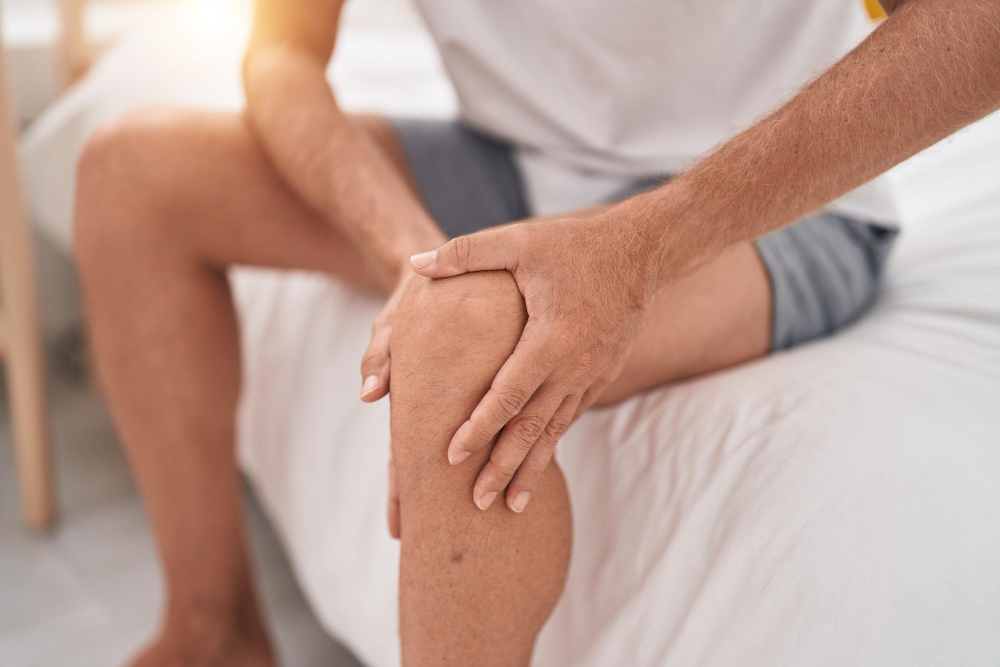
Introduction to Knee Arthroscopy
Knee pain can limit your daily life. For many, knee arthroscopy brings hope. This minimally invasive knee surgery uses tiny incisions to treat joint problems. As a result, recovery is often faster and less painful than with open surgery. Knee arthroscopy is now a common choice for people seeking relief from knee issues.
What Is Knee Arthroscopy?
Knee arthroscopy is a surgical procedure. During this surgery, doctors use a small camera called an arthroscope. The camera lets them see inside your knee joint. Because of this, they can diagnose and treat many knee problems without making large cuts. The procedure is less invasive than traditional surgery.
How Does Knee Arthroscopy Work?
First, the surgeon makes tiny incisions around your knee. Then, they insert the arthroscope through one of these cuts. The camera sends images to a screen, so the doctor can see inside your knee. Next, special tools are used through other small incisions to fix the problem. This approach causes less damage to healthy tissue.
Benefits of Tiny Incisions
Choosing knee arthroscopy offers many advantages. For example, smaller cuts mean:
Because of these benefits, many people prefer minimally invasive knee surgery over open surgery.
Common Conditions Treated with Knee Arthroscopy
Knee arthroscopy can help with several knee problems. Some common conditions include:
Because it is so versatile, knee arthroscopy is used worldwide for many knee injuries and diseases.
Symptoms That May Mean You Need Knee Arthroscopy
Sometimes, knee pain does not go away with rest or medicine. In these cases, you may need knee arthroscopy. Watch for these symptoms:
If you notice these signs, talk to your doctor. Early treatment can help you recover faster.
Diagnosis and Preparation
Before surgery, your doctor will examine your knee. They may order X-rays or MRI scans to see the problem clearly. If knee arthroscopy is right for you, your doctor will explain the steps. You may need to stop certain medicines before surgery. Also, you should arrange for someone to drive you home after the procedure.
The Knee Arthroscopy Procedure: Step-by-Step
Here is what usually happens during knee arthroscopy:
Most procedures take less than an hour. Because the cuts are small, you can often go home the same day.
Recovery and Aftercare
After knee arthroscopy, recovery is usually quick. However, you will need to follow your doctor’s advice. Here are some tips for a smooth recovery:
Most people return to work or school within a week. However, full recovery may take several weeks, depending on the problem treated. For more details, see the CDC’s guidance on post-surgical care.
Risks and Potential Complications
Although knee arthroscopy is safe, every surgery has risks. Possible complications include:
Because these risks are low, most people recover well. If you notice fever, severe pain, or redness, contact your doctor right away.
Prevention and Lifestyle Tips for Knee Health
Even after surgery, you can protect your knees. Try these tips:
Because prevention is key, these habits can help you avoid future knee problems.
When to Consult an Orthopedic Surgeon
If knee pain limits your life, do not wait. See an orthopedic specialist if:
Early care can prevent further damage. For those in your area, search for “knee arthroscopy near me” or “minimally invasive knee surgery in [Your City].”
Conclusion
Knee arthroscopy offers big relief with tiny incisions. Because it is less invasive, recovery is often faster and easier. If you have knee pain that does not improve, consult an orthopedic specialist to see if knee arthroscopy is right for you.