
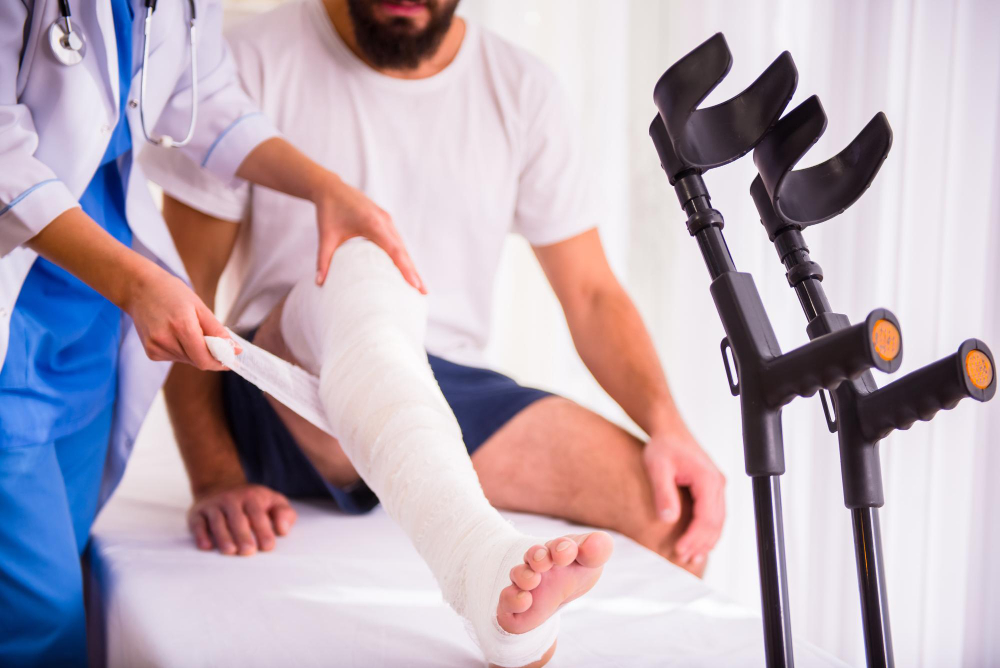
Introduction to Complex Fractures and Accidental Trauma Care
Complex fractures & accidental trauma care are important topics for anyone who may face injuries. A complex fracture means a broken bone with damage to nearby tissues, skin, or joints. Often, these injuries happen after falls, car accidents, or sports mishaps. Because these fractures can be serious, quick and proper care is vital. In many cities, orthopedic trauma treatment centers offer expert help for such cases. Understanding the basics can help you act fast and recover better.
Common Symptoms and Warning Signs
Recognizing symptoms early can make a big difference. Usually, complex fractures show clear signs. However, some symptoms may be subtle at first. Watch for these warning signs:
Sometimes, people may also feel dizzy or faint. If you notice these symptoms, seek medical help right away.
Main Causes and Risk Factors
Complex fractures often result from strong forces. For example, car crashes or falls from heights are common causes. But, even a simple trip can lead to a serious break if bones are weak. Some risk factors include:
Therefore, knowing your risks can help you stay safe.
Diagnosis: How Complex Fractures Are Identified
Doctors use several steps to diagnose complex fractures. First, they ask about how the injury happened. Next, they check the injured area for swelling, shape, and movement. After that, imaging tests help confirm the diagnosis. These tests may include:
With these tools, doctors can plan the best treatment. According to the CDC, early diagnosis improves outcomes.
Treatment Options: Surgical and Non-Surgical Approaches
Treatment for complex fractures depends on the injury. Sometimes, doctors use non-surgical methods. Other times, surgery is needed. Here are the main options:
Often, a team of specialists works together for the best results. In many cities, orthopedic trauma care centers offer advanced treatments.
Recovery Process and Rehabilitation Tips
Recovery from complex fractures takes time. However, following your doctor’s advice can speed up healing. Here are some helpful fracture recovery tips:
Moreover, staying positive and patient helps the process. The WHO notes that proper rehab lowers the risk of long-term problems.
Prevention Strategies for Accidental Trauma
While accidents can happen to anyone, you can lower your risk. Try these prevention strategies:
By taking these steps, you can help protect yourself and your loved ones.
When to Seek Immediate Medical Attention
Sometimes, waiting can make things worse. Therefore, seek emergency care if you notice:
Quick action can save lives and prevent lasting damage.
Conclusion
In summary, complex fractures & accidental trauma care need fast and expert attention. Knowing the symptoms, causes, and treatment options can help you act wisely. For the best results, follow recovery tips and take steps to prevent injuries. Consult an orthopedic specialist for personalized trauma care and recovery guidance.