
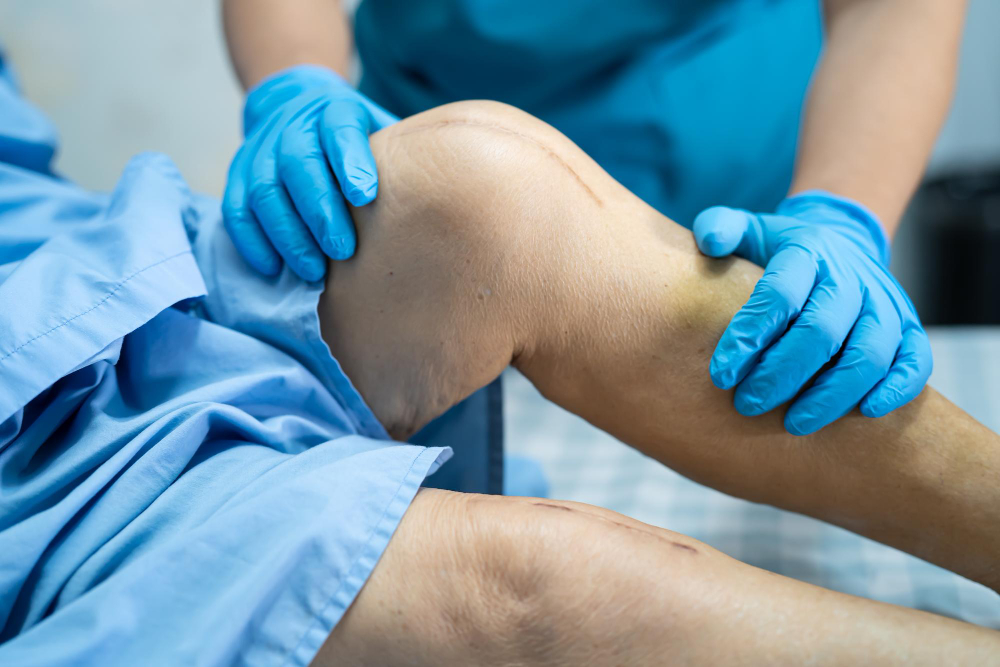
Knee arthroscopy is a minimally invasive knee surgery that helps doctors see inside your knee joint. This arthroscopic knee procedure uses small tools and a camera. As a result, it often leads to faster recovery and less pain than open surgery. Many people choose knee arthroscopy to treat knee pain or injuries. Understanding this procedure can help you make informed decisions about your knee health.
What is Knee Arthroscopy?
Knee arthroscopy is a type of surgery. It allows doctors to look inside your knee using a tiny camera. The camera sends images to a screen, so the doctor can see the joint clearly. Because the cuts are small, this is called a minimally invasive knee surgery. Doctors use knee arthroscopy to diagnose and treat many knee problems. For example, they can repair torn cartilage or remove loose pieces inside the joint.
Common Reasons for Knee Arthroscopy
Doctors may suggest knee arthroscopy for several reasons. Often, it helps when other treatments have not worked. Some common reasons include:
Because knee arthroscopy is less invasive, many people recover faster than with open surgery.
How the Procedure is Performed
First, the doctor gives you anesthesia to keep you comfortable. Next, they make small cuts around your knee. Through one cut, they insert a tiny camera called an arthroscope. Through other cuts, they use special tools to fix or remove damaged tissue. The doctor watches a screen to guide the tools. Usually, the procedure takes less than an hour. Afterward, you may go home the same day.
Benefits of Knee Arthroscopy
Knee arthroscopy offers many advantages over traditional surgery. For instance, it uses smaller cuts, which means:
Because recovery is often quicker, many people prefer this arthroscopic knee procedure.
Potential Risks and Complications
Although knee arthroscopy is generally safe, every surgery has risks. Some possible complications include:
However, most people recover without serious problems. Always talk to your doctor about your risks before surgery. The CDC and other health organizations provide more information on surgical safety.
Recovery and Aftercare Tips
After knee arthroscopy, recovery is usually quick. Still, you need to follow your doctor’s advice. Here are some helpful tips for knee arthroscopy recovery:
Because everyone heals differently, your recovery time may vary. Most people return to normal activities within a few weeks.
Prevention and Lifestyle Guidance
While knee arthroscopy can help fix knee problems, it is better to prevent injuries when possible. To protect your knees:
Because healthy habits can lower your risk of knee injuries, try to stay active and safe.
In summary, knee arthroscopy is a safe and effective way to treat many knee problems. However, only a doctor can decide if it is right for you. Consult an orthopedic specialist for personalized advice on knee arthroscopy.