
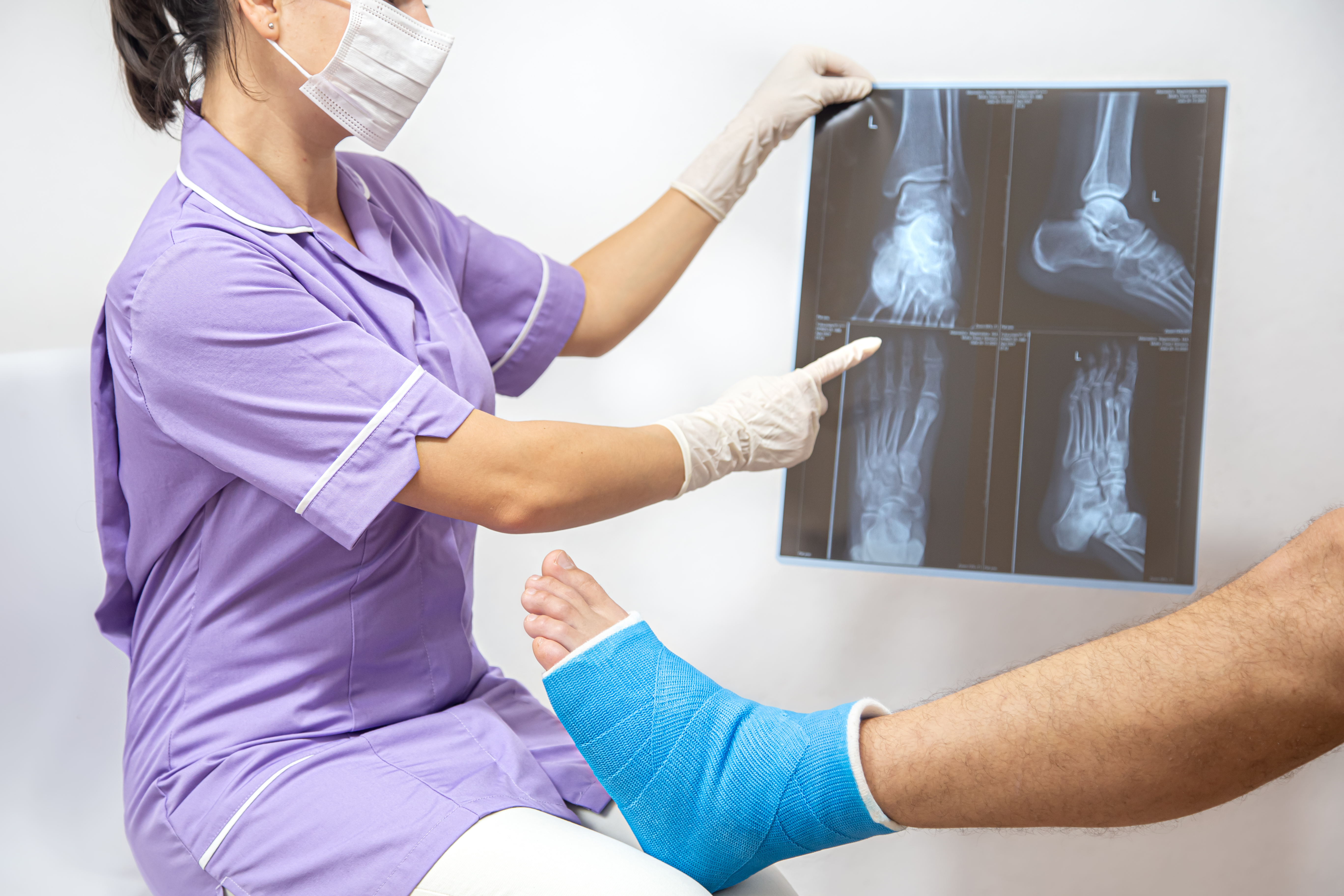
What Are Complex Fractures?
Complex fractures are serious bone breaks. Unlike simple fractures, these injuries often involve more than one break or affect the bone in several places. Sometimes, the bone may break into many pieces. In other cases, the bone may pierce the skin or damage nearby muscles and nerves. Because of these issues, complex fractures can be harder to treat. For many patients, surgery becomes the best option to fix the bone and help it heal well.
Common Causes of Complex Fractures
Many things can cause complex fractures. Often, these injuries happen during high-impact events. For example, car accidents or falls from a great height can break bones in several places. Sports injuries are another common cause. In some cases, weak bones from conditions like osteoporosis make fractures more likely. Here are some common causes:
Because these events are often sudden, it is important to seek medical help right away.
Symptoms and Diagnosis
Complex fractures usually cause clear symptoms. However, sometimes the signs can be hard to spot. Common symptoms include:
Doctors use several tools to diagnose complex fractures. First, they will ask about how the injury happened. Next, they may order X-rays or CT scans. These images help show the exact location and type of fracture. In some cases, doctors may use MRI scans to check for damage to soft tissues. Early diagnosis is key for the best outcome.
Why Surgery Is Sometimes Necessary
Not all fractures need surgery. However, complex fractures often do. Because these injuries can involve many bone pieces or affect joints, simple casts may not work. Surgery helps doctors put the bones back in place. In addition, it can fix damage to muscles, nerves, or blood vessels. Without surgery, the bone may not heal correctly. This can lead to long-term pain or loss of movement. For these reasons, surgical treatment for complex fractures is often the safest choice.
Types of Surgical Treatments for Complex Fractures
Doctors use several orthopedic surgery options to treat complex fractures. The type of surgery depends on the injury. Here are some common methods:
Each method has its own benefits. Your doctor will choose the best option based on your injury and health.
Recovery and Rehabilitation
After fracture surgery, recovery takes time. At first, you may need to rest and keep weight off the injured area. Physical therapy often starts soon after surgery. This helps you regain strength and movement. In addition, your doctor may give you pain medicine and advice on caring for your wound. Most people need several weeks or months to heal fully. However, following your care plan can speed up recovery. For many, fracture surgery recovery leads to a return to normal activities.
Prevention Tips and Lifestyle Guidance
While not all fractures can be prevented, you can lower your risk. Here are some tips:
By taking these steps, you can protect your bones and lower your risk of complex fractures.
In summary, complex fractures are serious injuries that often need surgery. With the right treatment and care, most people can recover well. Consult an orthopedic specialist to discuss the best treatment options for complex fractures.