
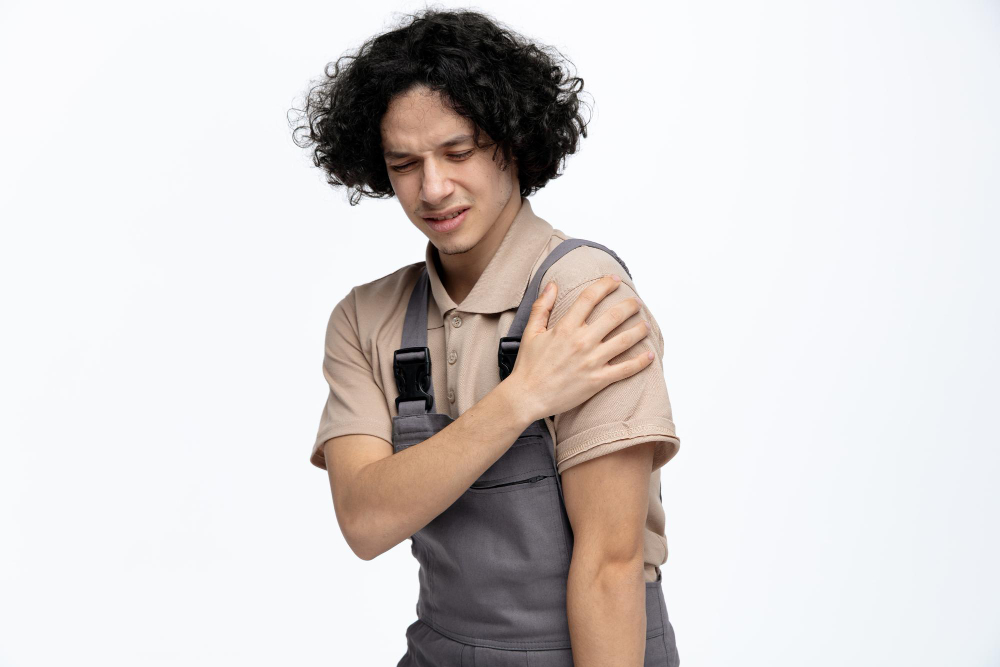
What is a Bankart Lesion?
If you have shoulder pain after an injury, you may have a Bankart Lesion. This injury happens when the tissue around the shoulder joint tears. Often, this tear occurs after a shoulder dislocation injury. The shoulder joint is like a ball and socket. The ball is the top of your arm bone, and the socket is part of your shoulder blade. A Bankart Lesion affects the rim of the socket, called the labrum. Because the labrum helps keep your shoulder stable, a tear can cause ongoing pain and shoulder instability.
Common Symptoms of a Bankart Lesion
Many people notice pain in the shoulder after an injury. However, other symptoms can also appear. For example, you may feel:
Sometimes, symptoms are mild at first. But over time, they can get worse, especially if you keep using your shoulder.
Causes and Risk Factors
Most often, a Bankart Lesion happens after a shoulder dislocation injury. When the shoulder pops out of place, the labrum can tear. However, other causes and risk factors include:
Because the labrum helps keep the shoulder stable, any injury to it can lead to more dislocations in the future.
How is a Bankart Lesion Diagnosed?
Doctors use several steps to diagnose a Bankart Lesion. First, they ask about your symptoms and how the injury happened. Next, they examine your shoulder. They may move your arm to check for pain or looseness. Often, doctors order imaging tests, such as:
With these tests, doctors can see if there is a tear and how severe it is. Early diagnosis helps prevent more damage.
Treatment Options for Bankart Lesion
Treatment depends on how bad the tear is and your activity level. For mild cases, doctors may suggest:
However, if your shoulder keeps slipping out or you have severe pain, surgery may be needed. During surgery, doctors repair the torn labrum. After surgery, physical therapy helps you regain strength and movement. For those seeking Bankart lesion treatment in your city, many orthopedic clinics offer both non-surgical and surgical care.
Tips for Recovery and Prevention
After treatment, you can take steps to help your shoulder heal and prevent future injuries. For example:
With the right care, most people recover well and return to normal activities.
When to See a Doctor
If you have shoulder pain that does not get better, see a doctor. Also, if your shoulder feels loose, weak, or keeps popping out, medical care is important. Early treatment can prevent more damage and help you heal faster. Remember, shoulder pain causes can be serious, so do not ignore your symptoms.
If you have persistent shoulder pain, consult an orthopedic specialist for personalized advice.